Monday, November 23, 2009

Major Historical Periods in Fashion and Art

Fashion designers and artists have been paralleling each other for centuries. Though the main difference in their work is the purpose of their creations, the finished products are a direct reflection on what is going on in society at the current time. In this blog entry we will explore the fashion and art of six major historical periods: Neoclassical, Egyptian, Romantic, Baroque, Gothic, and Rococo.


Neoclassical


The neoclassical period was in the 1700’s. The art of this time showcased the republican style government with Greek-Roman influences. The artists painted balanced compositions and emphasized heroics. The fashion designers created garments with layered sheer fabrics, high empire waistlines, with beautiful drape.


This photo is a classical inspired piece made by Alana Zimmer for the fall 2009 season. It is a draped skirt with jacket and top. This image can be found at stlye.com.


The painting is called: The Intervention of the Sabine women by Jacques-Louis David, and was painted in 1799. This image can be found at: http://www.artinthepicture.com/artists/Jacques-Louis_David/sabine.jpeg


Egyptian


Egyptian art uses a lot of symbolism. The Gods were always painted the largest. In fashion, the higher social status the more layers the garment is made with, and had more pleating and draping.


This photo is an Egyptian inspired piece made by Oscar De La Renta for the spring 2008 season. It is a long elegant gold sequined gown with jewels around the neck. This image can be found at style.com.


This painting is a depiction of the Egyptian Queen Nefertari. This image can be found at:
http://imagecache5.art.com/p/LRG/20/2033/DME4D00Z/egyptian-art-nefertari.jpg


Romantic


The romantic period was in the 1800’s. The art of this time depicted images that spoke against the balanced compositions of the neoclassical time. This art expresses moods and feelings, often through nature. The fashions included leg o mutton sleeves and unnatural waistlines.


This photo is a romantic inspired piece by Carlos Miele for the spring 2008 season. It is a long gold draped dress with lots of rouching, and a sweetheart neckline with a asymmetrical strap around the neck, and a train. This image can be found at www.style.com.


This painting is from the romantic era, and was painted by Francisco Goya y Lucientes in the 1700’s. This photo can be found at:
http://wwwdelivery.superstock.com/WI/223/475/PreviewComp/SuperStock_475-1327.jpg


Baroque


The baroque period was during the 1600’s. The art of this time represented political and religious struggles and depicted theatrical and exaggerated images with dramatic light and shadows. The fashions included contrasting colors and patterns, large accessories, and extravagant silhouettes.


This photo is a baroque inspired piece by Louis Vuitton for the fall 2009 season. The garment is a blue and orange print jumpsuit with large puff sleeves, a black belt, and a low cut v-neck. This image can be found at style.com.


This painting is of Queen Constance of Austria from 1620. This image can be found at:
http://www.decembermoonlight.com/images/konstancja_austriaczka.jpg


Gothic


The gothic period was during the 12th century middle ages. Architecture was the focus of art. Artists painted many stain glass windows which were used to allow in more light (symbolized God’s devine presence). The fashions depicted dark colors, velvet, draping, tight fitting garments, and tall hats.


This photo is a gothic inspired piece by Betsy Johnson for the fall 2007 season. The garment is a black draped dress that goes below the knee with sheer long sleeves. This image can be found at style.com.


This picture is of the Cologne Cathedral in Germany. This image can be found at:
https://blogger.googleusercontent.com/img/b/R29vZ2xl/AVvXsEgMZldlYBECVxS8Gbm8fv6Nh8wrDBN1r1CfDMGRhGOfVkQ4-65GMh4zUtq_PJN3siyZGCHe-EJrdjOWdi3jJOhvpixyf7xVQZvTWnTxuKfT2gsFNIHBA3D1qBKso-AoBIvmZWaq7bwDCtts/s400/cologne_cathedral_2.jpg


Rococo


The rococo period was during the 1700’s. The art of this time represented the morally corrupt ways of the aristocrats and depicted luxurious images of fashions, interior design, and gardening. The fashions included high end embellishments and fabrics, crazy hairstyles, low necklines, and strong makeup.


This photo is a rococo inspired piece by Christian Dior for the fall 2007 season. It is a luxurious blue dress with a long sleeve jacket, and a very large draped skirt with an abundance of fabric. The dress and jacket have very elaborate embellishments. This image can be found at style.com.


This rococo painting was done by Gerard Hoet in 1700. This image can be found at:
http://www.bayreuth-wilhelmine.de/bilder/neues_schloss/hoet_odysseus2.jpg

Sunday, November 8, 2009

The Evolution of the Necktie

Neckties have been around since the 17th Century. They have been traced all the way back to the thirty years war, and are worn by both men and women. In this blog entry we will trace the evolution of the necktie, and examine the changes it has undergone over the years.


Steinkirk 1650-1720


The princes wore these ties around their neck during the Battle of Steenkerque in 1692. They twisted the ends of the fabric together and took it through the buttonhole on their jackets.
This image can be found at: http://www.bindslips.dk/wp-content/louis1667.jpg


Stock Tie 1720-1800


The stock tie is a small piece of fabric, folded, and wound a few times around the shirt collar. This stock tie is designed by ShoClothes.
This image can be found at: http://www.shoclothes.com/images/stock_tie_satin_lg.jpg


Cravat 1800-1850


The cravat is a small handkerchief, knotted, and tied around the neck. This cravat is designed by Robert Charles.
This image can be found at: http://www.robertcharles.co.nz/dms/images/ecommerce/collections_cravats.jpg


Bowtie 1860-1920


The bowtie is basically a smaller cravat., and can be worn for formal gatherings, or dinner parties. This bowtie was designed by J.Crew.
This image can be found at: http://gearpatrol.com/blog/wp-content/uploads/2009/01/jcrew-bow-tie1.jpg


Traditional Necktie 1920’s – present day


Modern day traditional neckties can range up to 4” wide with a standard length of 57”. They come in a variety of different colors and patterns, and are acceptable at a variety of different social occasions. This necktie was designed by Dolce & Gabanna.
This image can be found at: http://nymag.com/images/fashion/fashionshows/05/fall/milan/runway/dolceandgabbana/10.jpg

Sunday, October 18, 2009

Historically Draped and Tailored Garments

Historical styles in fashion are styles that are constantly repeated or reinterpreted. These styles re-appear when the economic and social conditions mimic those of the era that the style originated in. Historical styles are broken down into two categories: Major (styles that recur more often in regular cycles), and Minor (styles that recur less often). This blog will discuss two of the major historical styles: Classical and Medieval.


Classical
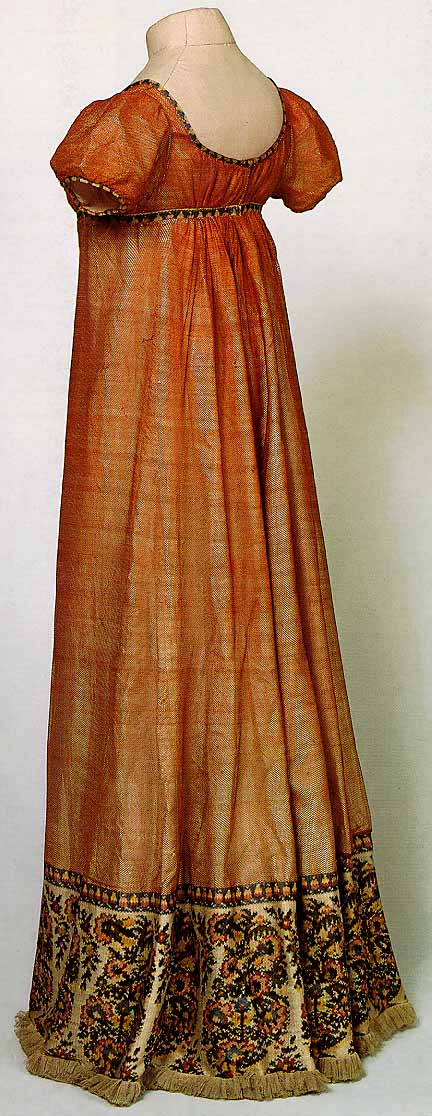
Classical style originates from the Ancient Greeks and Romans. This style consists of the draped look, and is simple and elegant with folds, pleats, creases, and loose and flowing silhouettes.


This high waist, draped dress is reminiscent of a 17th century classical style.
This image can be found at: http://www.pemberley.com/janeinfo/reddress.jpg


This wedding dress is reminiscent of a 17th century classical style high waist gown and was designed in 2009.
This image can be found at: http://www.utahbrideandgroom.com/Utah-Bride-and-Groom-Magazine/Winter-2009/Fashion-Insiders/regaliz.jpg


This is a neoclassical silk evening gown from 1805.
This image can be found at: https://blogger.googleusercontent.com/img/b/R29vZ2xl/AVvXsEiDQYZUqjNFrqKDPV-lWHjxAlAYMWShcNp49fxiK9Z_NywXCX5pAwWESSvj1ceXtLuG728WYQzszTAJXoeI9ocCeZfLmxr1WTcpdQCN5Ofxs3J9Hz1eq70bufRB6ky7eF5E_sFc5B2QkHnB/s400/neoclassical+silk+evening+gown+with+metallic+trim+1805.jpg


Medieval
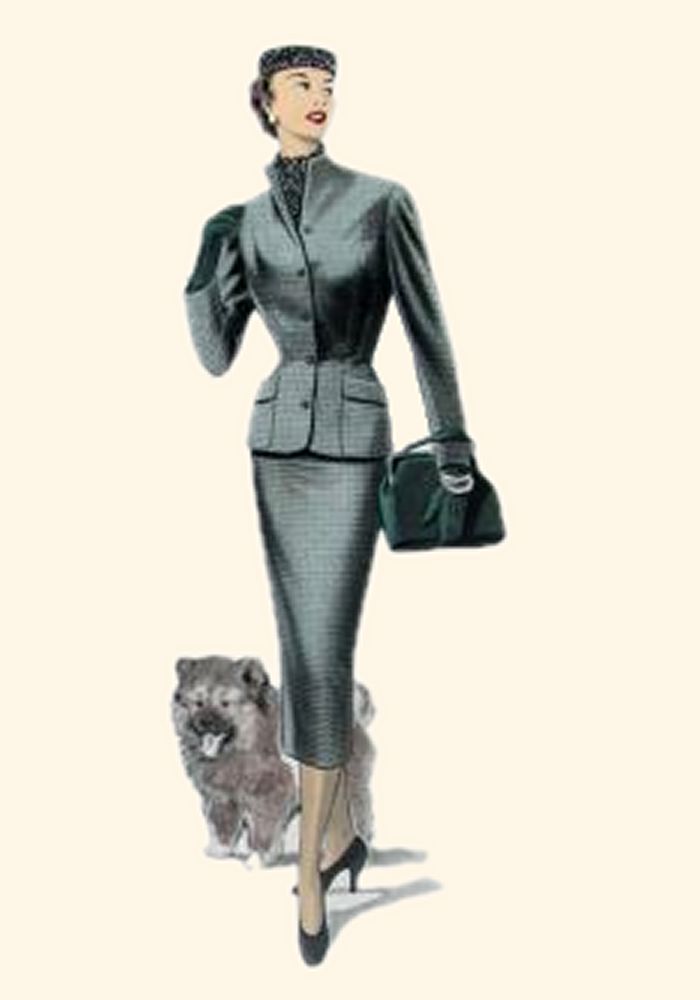
Medieval style originates from N. Europe in the Middle Ages (3-13th centuries). This style consists of stiff tailored look that covers the body, and includes sober colors, high necklines, and long fitted sleeves.


This ball gown is reminiscent of the medieval renaissance style.
This image can be found at: http://www.pearsonsrenaissanceshoppe.com/images/Dress_1001_Blue_Baroque_2.jpg


This suit is reminiscent of the medieval style, and was designed in the 1950’s .
This image can be found at: http://www.fashion-era.com/images/1955/1955sogcharcoalsuit.jpg


This jacked is reminiscent of the medieval style, and was designed in fall of 2003 by Karl Lagerfeld for Fendi.
This image can be found at: http://www.style.com/slideshows/fashionshows/F2007RTW/BURBERRY/RUNWAY/00010f.jpg

Sunday, October 4, 2009

Functions of Dress

Functions of dress are specific reasons why individuals of society choose to dress the way they do. This blog entry will explore the six main social functions of dress: Ceremonialism, Decoration, Gender Differentiation, Environmental Protection, Sexual Enhancement, and Group Membership.


CEREMONIALISM


American women, and women from around the world, wear beautifully adorned dresses (called wedding dresses) to symbolize their wedding day. After the day has passed, the dresses are cleaned and carefully stored away. The dress is then kept for sentimental value, given away, or sold. This function of dress is called ‘Ceremonialism’. Ceremonialism is a function of dress in which the wearer selects his or her attire for a special occasion or ceremony. After the occasion had ended, the garment is often cleaned and stored away.
This dress is a part of the fall 2009 Vera Wang collection.
This photo can be found at: http://www.bridalguide.com/media/images/wedding-dresses-fall-2009/vera-wang/VeraWang_Fall2009_06_F.jpg


DECORATION


Some individuals wear couture for the look, precise fit, excellent quality, and exclusivity. This function of dress is called ‘Decoration’. When an individual dresses for decoration, the wearer is dressing for looks and adornment. Decoration is considered to be the main function of dress.
This dress was designed by Charles Worth c. 1878.
This photo can be found at: http://blog.fidmmuseum.org/.a/6a01156f47abbe970c0120a593a88f970c-800wi


GENDER DIFFERENTIATION


In most cultures there are certain styles of dressing for men that distinguishes them from women and vice versa. This function of dress is called ‘Gender Differentiation’.
In the photo above (taken in the 1920’s), the women (flappers)are dressed in baggy, boxy attire, and wore short haircuts.
This photo can be found at: http://www.familysecuritymatters.org/imgLib/20081221_flappers.bmp


ENVIRONMENTAL PROTECTION


Many times, different cultures dress in different ways in order to protect themselves from the environment they live in. This function of dress is called ‘Environmental Protection’. In the photo above, the Eskimos are wearing heavy, warm clothing that is covering them from head to toe. This clothing is made from fur, and is protecting them from the cold environment by keeping them warm.
This photo can be found at: http://majikimaje.com/600/002s.jpg


SEXUAL ENHANCEMENT


Individuals often wear skimpy, revealing clothing in order to enhance their bodies in a sexual manner. This function of dress is called ‘Sexual Enhancement’. In Sexual Enhancement, the wearer wears the garments to feel more sexually desirable. However, each culture has their own definition of sexual desirability.
In the photo above, supermodel Heidi Klum is wearing lingerie made by Victoria’s Secret.
This photo can be found at: http://l.yimg.com/l/tv/us/img/site/34/74/0000053474_20081201110458.jpg


GROUP MEMBERSHIP


There are many people who choose their style of dress based on wanting to belong to a certain group or organization in society. This function of dress is called ‘Group Membership’. In Group Membership, many people wear uniforms, and dress under different apparel classifications such as: preppy, hip hop, punk, etc.
In the photo above, the individuals are dressed in a punk style of clothing to signify their connection to the punk community.
This photo can be found at: http://www.deadthreads.co.uk/images/home_main.jpg

Wednesday, September 9, 2009

Fashion Source Book: 20th Century Fashions


Fashion is ever evolving, expressive, and rebellious. Many of the fashions you see in today's market were inspired by fashions of the 20th century.

The purpose of this fashion source book is to stir up creativity, showcase the fashions of the 20th century, and to inspire new and creative ideas and concepts.


This photo was found at: http://getlitstaylit.wordpress.com. This is a very innovative light bulb dress. I chose this photo because it reminds me that fashion is very creative, innovative, and inspiring.